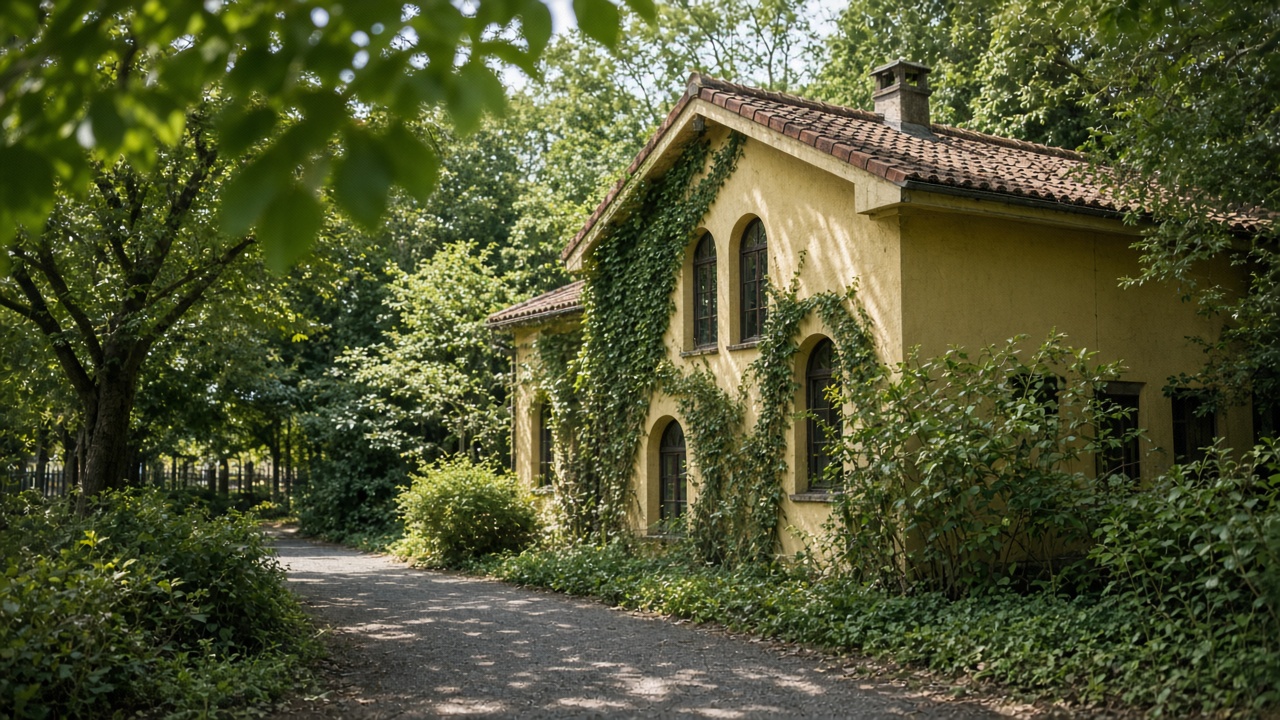
I live in Kanazawa. The forest museum in Mitaka is not a neighborhood errand for me; it is a planned day that begins with a shinkansen seat and a screenshot of a time slot. That distance changes the advice. Tokyo friends talk about “dropping in after lunch.” From Ishikawa, there is no dropping in. If I miss the reserved hour, the day becomes a walk around Inokashira Pond and a train home. This page is an unofficial review of Ghibli-museum. I have no contract with the operators, the studio, or anyone who sells tickets. I do not speak for the building. Dates, prices, and closed days move. Confirm them yourself on the official site name “ghibli-museum.jp”. I do not place a link and I do not redirect you.
The first time I went, I treated the reservation like a concert ticket and the park like scenery. That was backwards. The woods are the first room. The building is the second. If you arrive sweating, with a camera already in your hand, you will spend the opening galleries recovering instead of looking. I write this for local people who can choose a weekday, and for visitors who only have one dated morning in western Tokyo.
Coming from Hokuriku also changes what “morning” means. A ten o’clock slot is not a sleep-in. I leave Kanazawa on an early train, eat something simple at Tokyo Station, and only then ride west. If the shinkansen is late, the Chuo line is still the variable I can control: I do not stop for souvenirs in the station until the return. People who live in Shinjuku can recover twenty minutes. I cannot. That is why this review spends more words on walking order than on favorite rooms. Rooms do not move. Trains and gravel do.
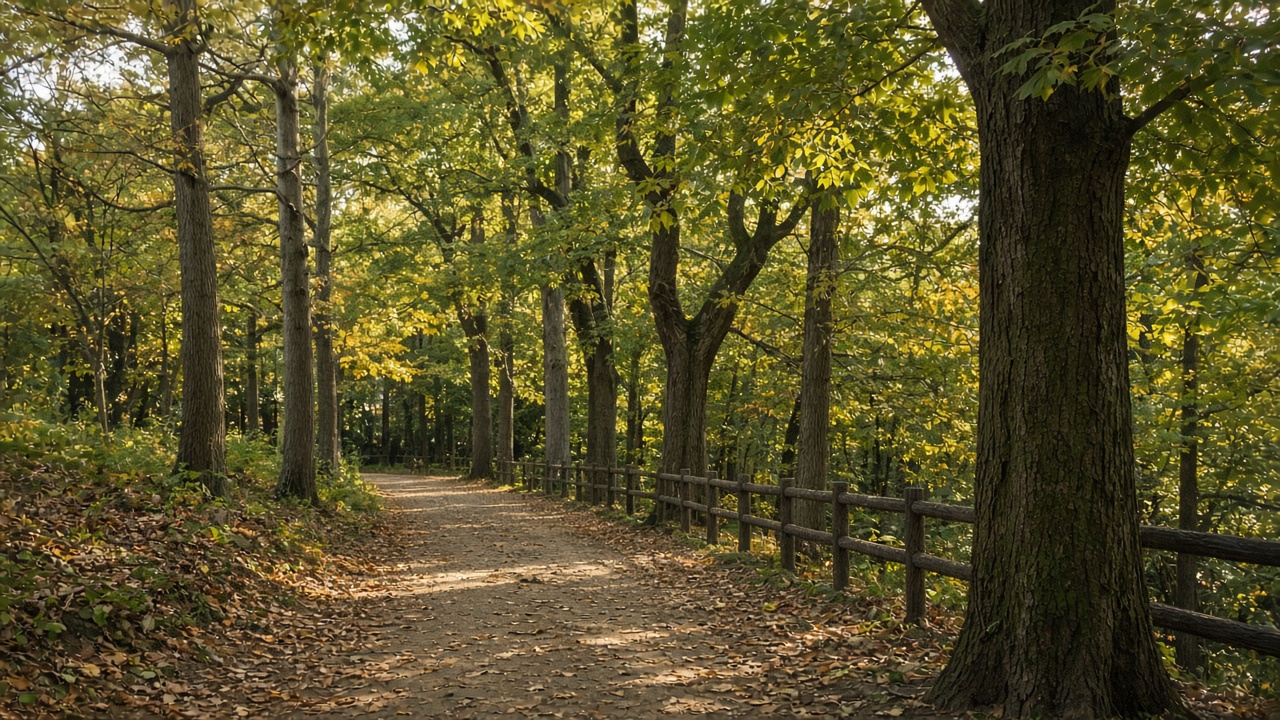
The forest in Mitaka
Inokashira Park sits on the west side of the city like a pause in the rail map. The museum occupies a corner of that pause, where houses thin out and the canopy thickens. I have walked in on a humid July morning, on a weekday of bare branches, and once in a fine rain that made the gravel look darker than the trunks. Each version of the forest asked for a different pace. In summer the park heats before the galleries do. In winter the wind on the approach is the coldest part of the visit. In rain, umbrellas clip shoulders and everyone slows at the same narrow bend.
I now treat the last ten minutes on foot as part of the ticket. I drink water on a bench outside the grounds, put the bottle away, and keep my voice down. Local walkers, dogs, and ticket-holders share the same dirt. Running for a group photo carries farther than people think. Food, smoking, and pets follow park rules on one side of the fence and house rules on the other. I do not improvise that line. If a child needs to move, I let them move in the park, then ask them to walk once we are inside the property. The galleries are dense. A child who has already sprinted through the trees is easier company than one who has been told to “save it.”
Season is not a filter you add later. In June the ivy is thick and the building almost disappears; you can walk past the turn if you are watching your map instead of the wall. In October the path hides under leaves and the same slope that felt gentle in April becomes slick. On a dry winter weekday I have heard the park before I saw anyone in it. On a summer Saturday the park is loud first, and the museum is the quieter of the two. Sunscreen, a hat, and a thin jacket have earned their space in my bag in every season. Insect spray mattered once, on a July walk back at dusk. I do not set up a tripod in the trees. The path is a passage, not a studio I rent with a ticket.
Photographers sometimes treat the ivy wall as a studio. I take one exterior frame and stop. The staff have enough work without a cluster of tripods at the corner. The forest is a public park with a private door at the end of it, not a film set that happens to sell tickets.
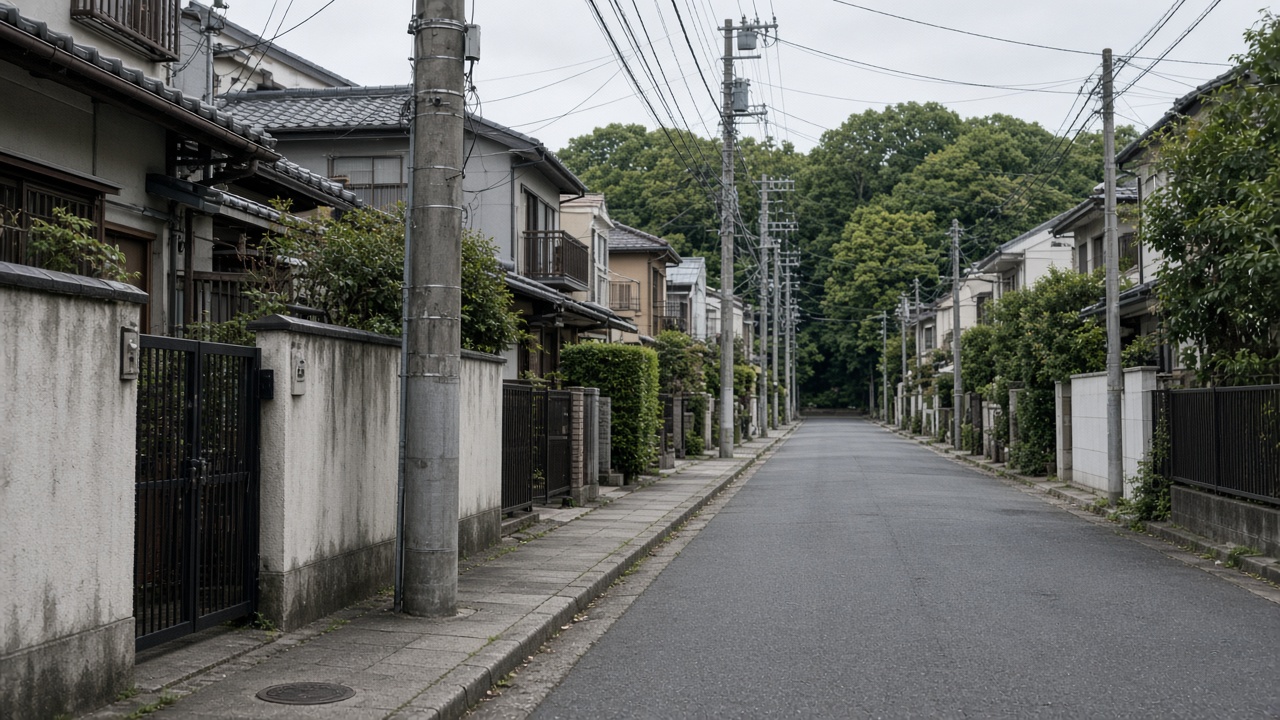
Routes I actually use
Mitaka, then the bus
JR Chuo / Sobu line to Mitaka, south exit, community bus toward the park gate. This is the route I take with luggage, with rain, or with anyone who should not walk twenty minutes after a long train. The ride is short. Missing the stop is easy if you watch your phone instead of the trees.
Mitaka on foot
About twenty minutes through the west garden, depending on lights and stride. No serious hill. Roots and stones show after rain. Thin soles were a mistake. I aim to reach the trees thirty minutes before my slot, not five.
Kichijoji, later
Useful if I want food after, dangerous if I want the pond first. The water is larger than a “quick look.” On a dated ticket I cross the park without circling the water. Photographs wait for the walk back.
From Kanazawa I arrive into Tokyo Station, then ride the Chuo line west. That extra transfer is where people from outside Kanto lose minutes. I use the toilet and top up my IC card before I leave the JR concourse. A short taxi from either station is insurance in rain. I do not plan on driving. Parking rules shift, and I would rather not spend a reserved morning in a queue of cars. Bicycles need their own parking rules around the park; I check those on site rather than guessing here.
If this is your first visit and you do not know the area, start from Mitaka, not Kichijoji. Locals reverse that order because they already know the pond. First-timers who “see the park first” are the ones I watch checking the time at the gate. English signage on the Chuo line is good enough for station names. It will not save you if your IC card is short at the gate and the bus leaves while you reload. I check the balance in Kanazawa, not on the Mitaka stairs.
Hours, closed days, and time slots
The usual shape is ten in the morning until six in the evening, with last entry earlier than closing. Tuesdays are often closed, but holidays and maintenance punch holes in that rule. I once built a trip around a Tuesday that had been swapped, and once around a weekday that vanished into inspection after a long weekend. I do not copy the calendar onto this site. Read the current month on the official site named “ghibli-museum.jp”.
Entry is by reserved date and clock time. Slots commonly gather around ten, twelve, two, and four. Ten o’clock is the one I buy when I have come from Hokuriku: the forest is still quiet and I am not yet hungry. Noon collides with the rest space. Two o’clock is kinder to paper and models; the light in the stair hall steadies. Four o’clock is short. I would not spend a shinkansen day on the last slot unless I already knew the building.
How long? Two hours is a floor. Three hours is honest if you want the short film, the permanent rooms, a rotating show, the roof, and a place to sit. Trying to “finish” is the wrong verb. The plan of the house rewards getting slightly lost. After I enter I write three things on a card: the film time, one room I will stand in, and whether I will sit down to drink. Everything else can slip. If I am with a child, I add a fourth line: where we will sit if the child is done. Adults who skip that line end up negotiating in a stairwell.
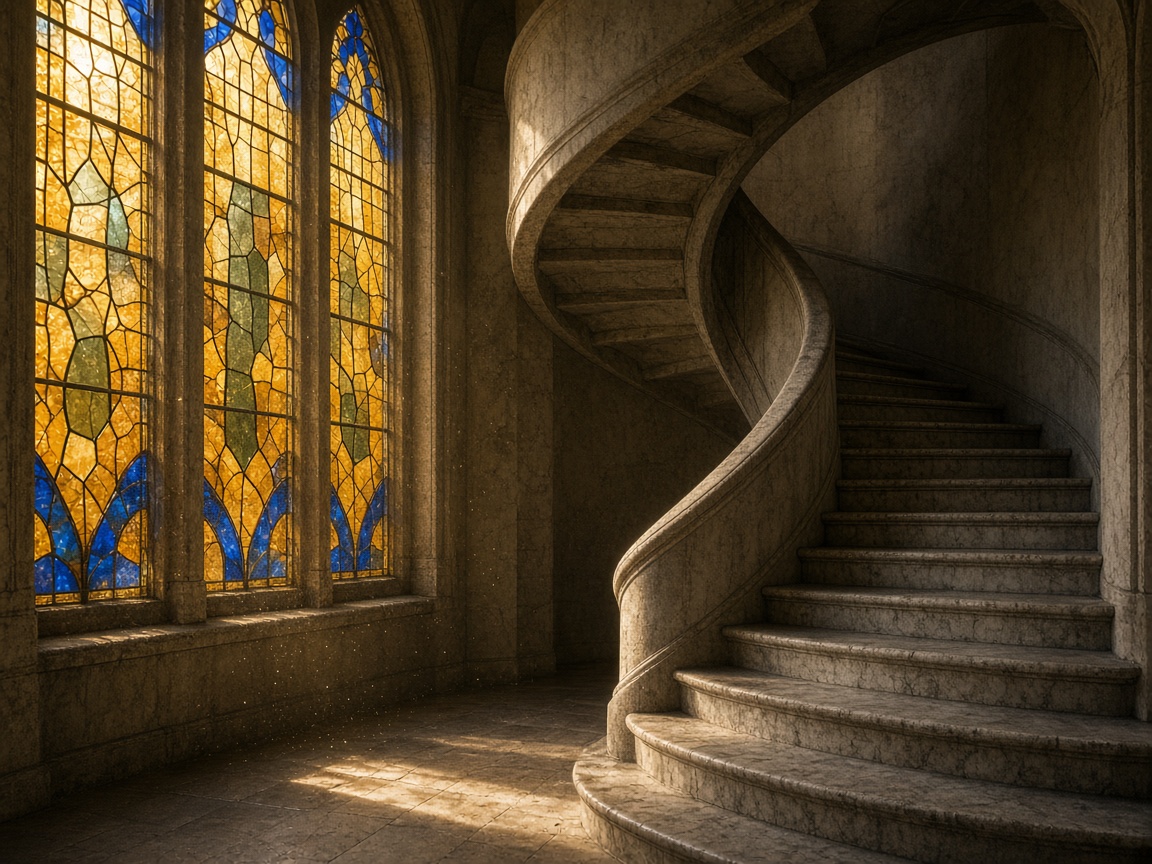
What to look at, and how a visit actually moves
Yellow plaster, ivy, stained glass, a spiral stair, a painted ceiling: the architecture is doing work before any display case. Indoor photography is not allowed. I learned that in the first corridor, watching someone argue about “just the entrance.” Put the machine at the bottom of the bag and walk in with empty hands. I keep an exterior shot and the stub of the ticket. The rest I write down later on the train to Kanazawa.
The permanent rooms are about how moving images are built on a desk: models, sketches, the labor of frames. If you come hungry for famous scenes, the tone will feel dry. That dryness is the point. Special exhibitions rotate; they are why I book a second trip. I do not recap their contents here because they expire. Check the official announcements.
There is a small theater for short films that do not travel. Seats and start times exist. My first visit, I toured first and stood through the next showing. Now I read the timetable at the door and reverse the order if needed. A play room aimed at younger children has an age line. Adults without a child in that range should not camp in the doorway. The roof garden is wind and glare in summer, wet stone after rain. I leave it for the second half so I am not carrying damp shoes through the galleries.
The rest space is not a restaurant you can count on. Seats are few. I either sit early or I eat in Kichijoji afterwards. The shop queues at the end of the day. I only join that line when I already know the object. This is not a guided tour with a flag. Audio support comes and goes. Captions are not always bilingual. I copy room names, not paragraphs.
A half-day for someone who lives nearby: morning slot, west garden, Kichijoji for lunch. A half-day for someone like me: Tokyo Station, Chuo line, morning slot, park, early dinner, evening shinkansen if the timetable allows. Stacking Mitaka with another famous neighborhood in the same afternoon is how the visit thins out. Steps, tight turns, and uneven floors mean a stroller or a chair will not find every room equally easy. I do not describe accessibility for the building. Read the operator’s own equipment notes before you book. Feeding rooms and quiet corners change with the crowd; I will not pretend last year’s corner is still empty.
I have been asked whether a “tour” exists in the sense of a person with a flag. Not in my visits. You move yourself. That is why I call this an excursion only in the old sense: you leave home, you walk a decided path, you look, you return. Combining the museum with Kichijoji’s streets is the combination that has never punished me. Combining it with a second paid attraction south of Shinjuku has always made the roof garden feel like a box to tick. If you have flown into Tokyo and this is one morning among many, protect the morning. Do not spend it proving you can also “do” another district.
How tickets are bought
You do not queue at the door for a same-day walk-in as a normal plan. You reserve a date and a time in advance. The purchase happens on the official reservation site. The name of that site is ghibli-museum.jp. This page will not send you there. Type the name into your own search bar. Release days change by month. Popular dates fill. People stall on payment method, language of the form, and the birth years of everyone in the party. I write those years on paper the night before, and I use a card I already know will clear.
Prices are banded by age and they get revised. I will not freeze a yen amount on this page. Read the official table. Because the ticket is tied to a clock, transfers and resales are treated strictly. If you lose the ticket, follow the official instructions, not a message board. Whether you show paper or a screen depends on the rules in force that month. I open the file while I still have station signal. I do not invent a backup the operator did not approve. Cancellation windows change. I keep a second date in the same month as a private plan B. The week I told myself “only that Saturday will do” was the week maintenance landed on my slot.
This site does not sell tickets. I will not buy them for you. I will not hold a place. If the contact form asks me to secure a slot, I will refuse. Convenience-store and travel-desk channels appear and disappear; I will not name shops here. When you are unsure, use only the official site name “ghibli-museum.jp”.
Mistakes I will not repeat
I once booked a twelve o’clock slot, walked the pond “for twenty minutes,” and arrived with eight minutes to spare and gravel in my shoes. I once saved the shop for last and stood in a line that ate the roof. I once carried a camera on a strap “just in case the rule was only for the galleries,” and spent the first room thinking about the strap instead of the models. I once assumed a Tuesday was closed without reading the month’s exceptions, and I once assumed a Tuesday was open because a holiday had moved, without reading those exceptions either. The pattern is the same: I tried to be clever around a dated ticket. The ticket is not clever. It is a clock.
International visitors ask me about language. The forms on the official site have switched languages on me between visits; I do not freeze a screenshot as advice. What I can say is: have the names and birth years of your group in both script systems if you can, and do not start the form on a train with a dying battery. Domestic visitors from outside Kanto ask me about luggage. Coin lockers exist at the large stations; I would rather store a suitcase in Tokyo Station than drag it through the west garden. The forest path is not a corridor for wheels.
For neighbors, and for people far from Tokyo
If you live along the Chuo line, go on a weekday at ten and walk home through the west garden. If you are coming from outside Kanto, decide three things before you pay: whether a child will use the play room, whether the short film is required, and whether you will sit down inside. Wanting all three plus a shop bag plus the pond plus another district is how the forest turns into a corridor.
What helped on the train from Kanazawa: quiet shoes, a thin extra layer, a little water, a charged battery, and a pouch that swallows the camera. I also print the reservation screen at the hotel, even when the rules allow a phone, because underground stretches west of Shinjuku have left me with an empty signal at the wrong minute. That is caution, not a substitute for whatever method the operator names that month.
One more practical note, because I get mail about it: I will not compare this house to other branded parks, and I will not list shops that sometimes handle paper tickets. Those lists go stale and they read like a sales funnel. The only purchase path I trust enough to name is the official site name above. If a friend in Tokyo offers to stand in line for you, that is a private favor, not something this page can arrange.
This text does not stand in for the institution. It is one writer’s record of where he lost time. For opening days, fares, and reservations, read ghibli-museum.jp yourself. The long article stays free. I keep the site as a hobby. Optional donations and a pocket PDF of the same checklist live on the PDF and donate page.